Product Design
Medical Kiosk System
Medical Kiosk System
Lead Web Designer User Research 3D and Motion Animation Product Designer
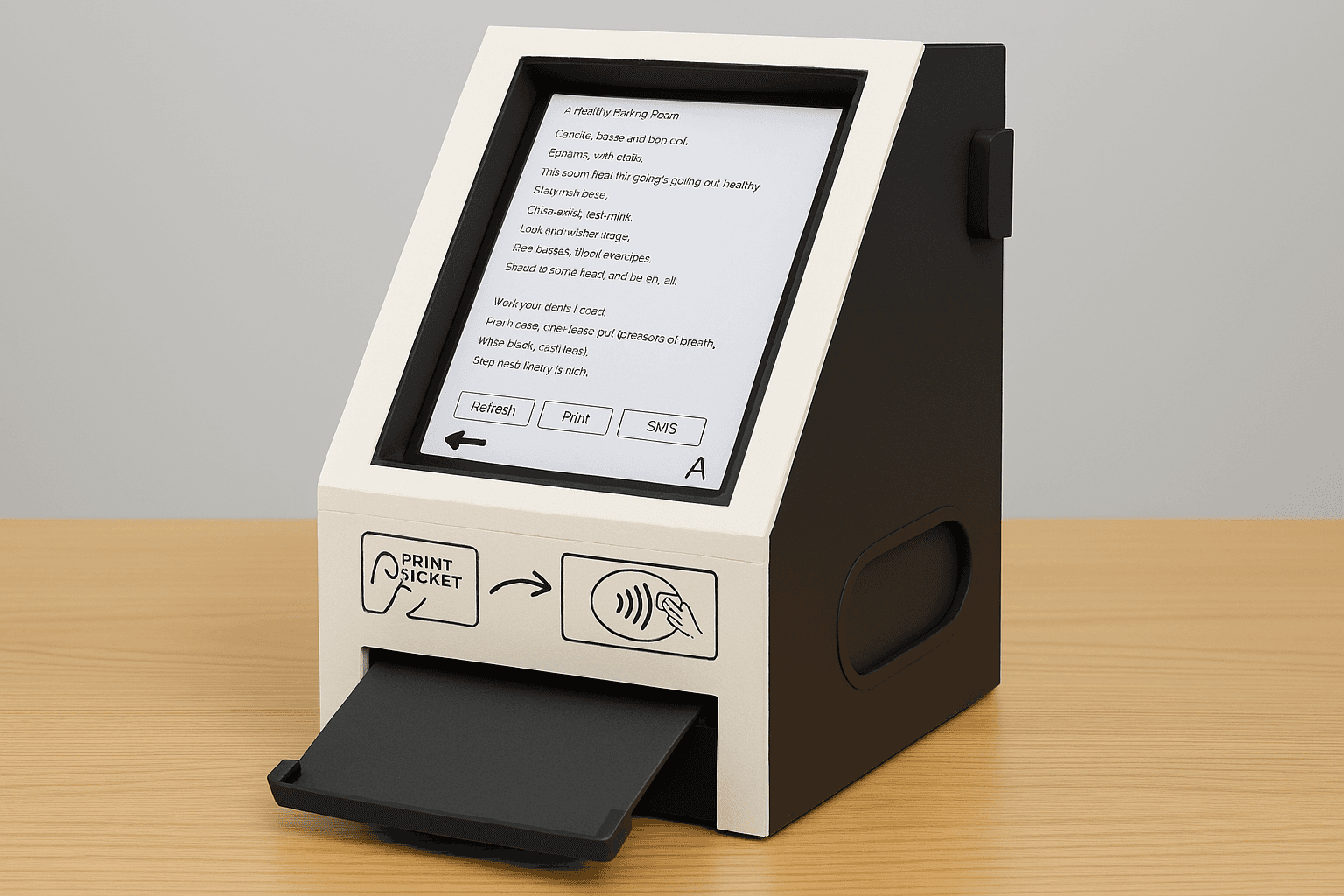
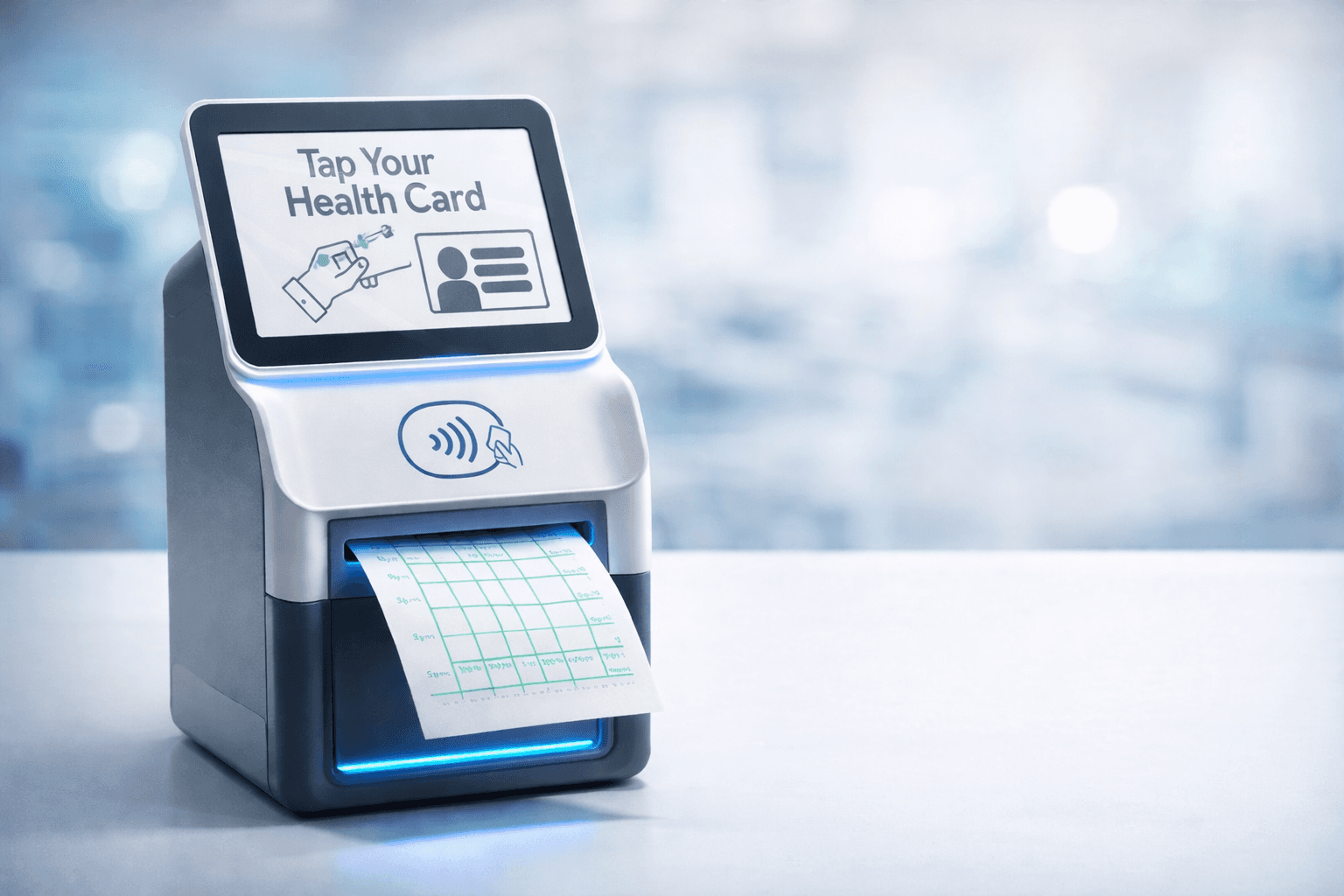
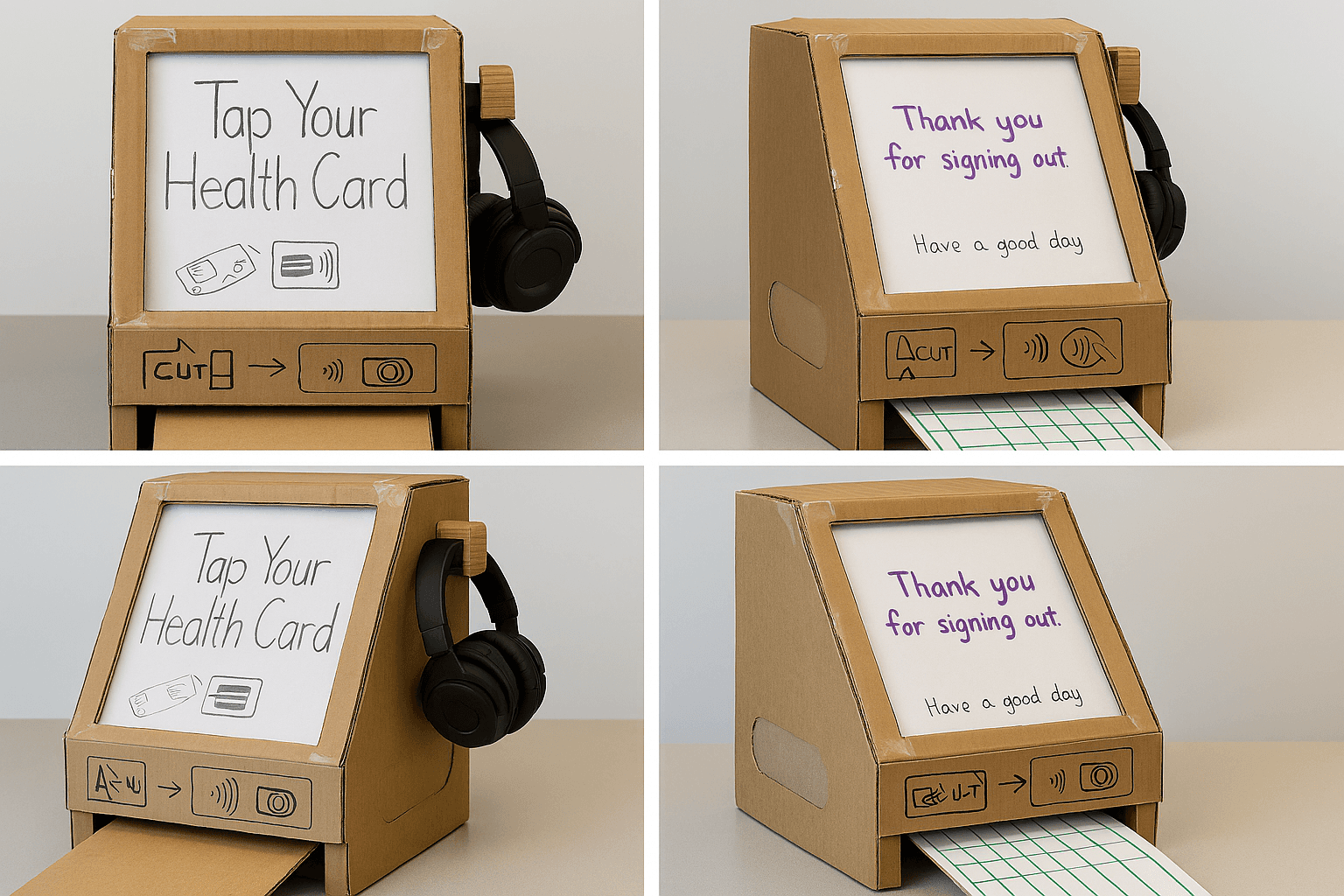
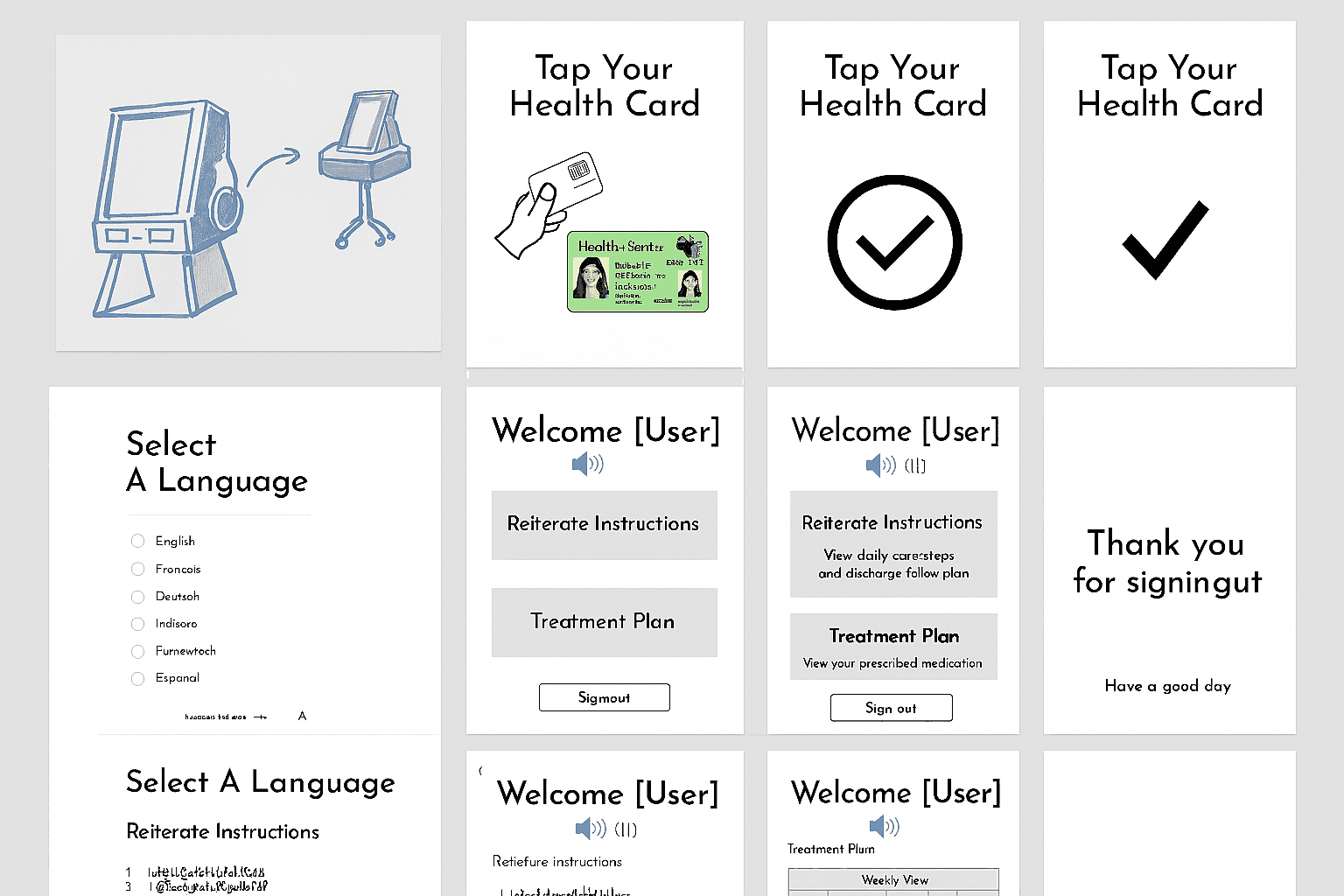
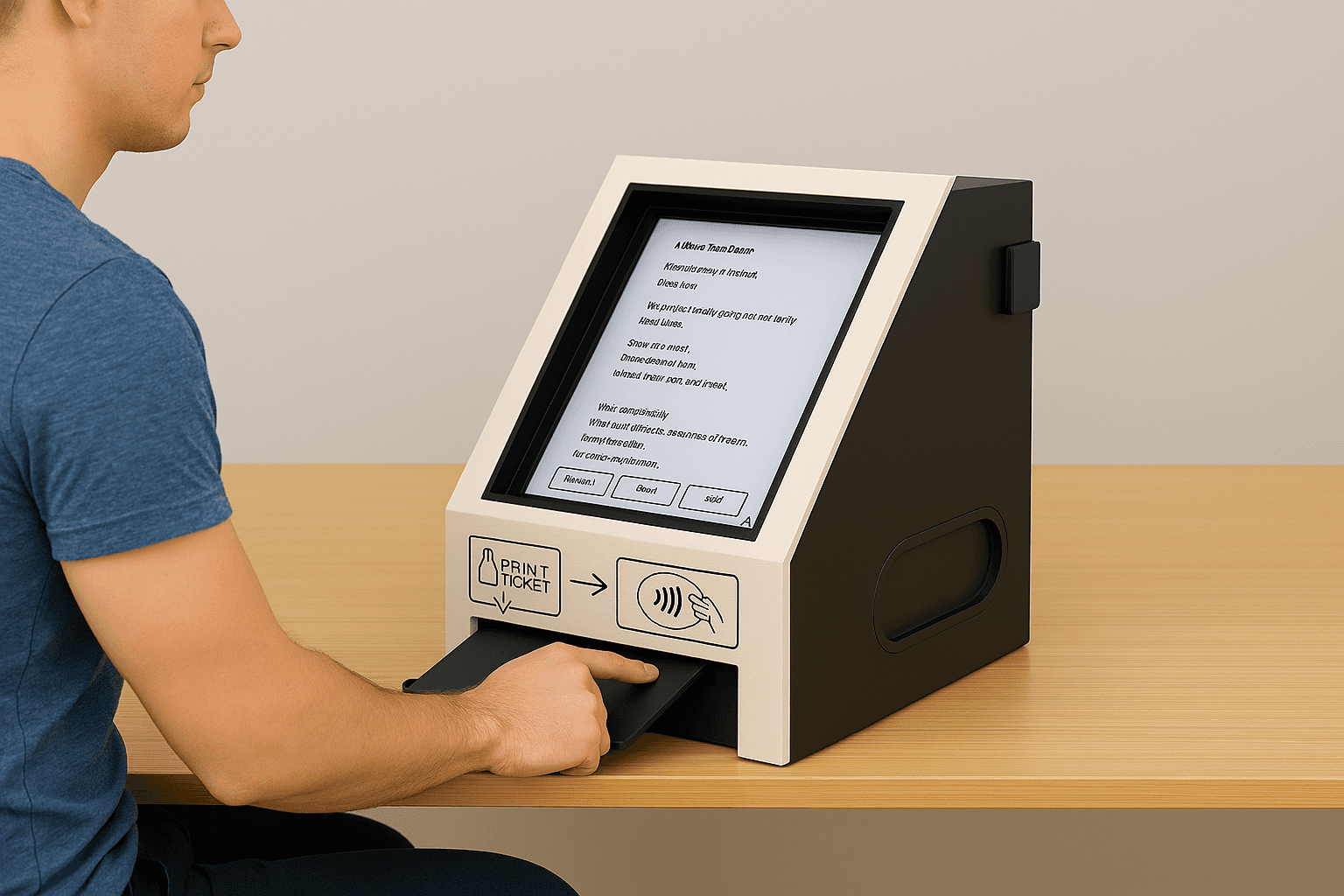
Our product aimed to improve discharge process through a patient-centred design approach. My group and I developed and tested a low-fidelity prototype of a self-service discharge kiosk designed to streamline information delivery. The final design offers reiterative instructions, treatment plan, language support, audio and more, aiming to reduce staff workload and enhance patient outcomes.
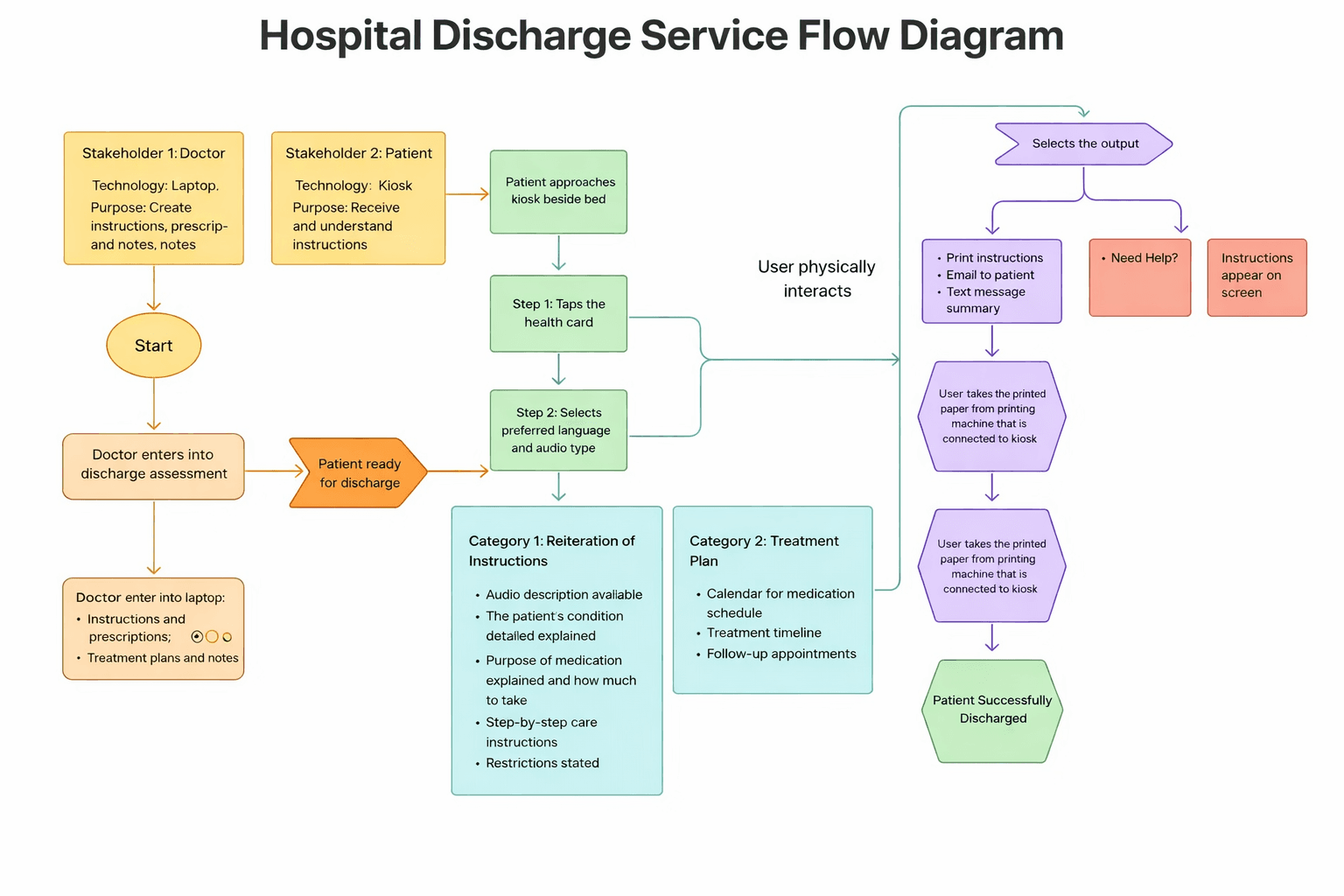
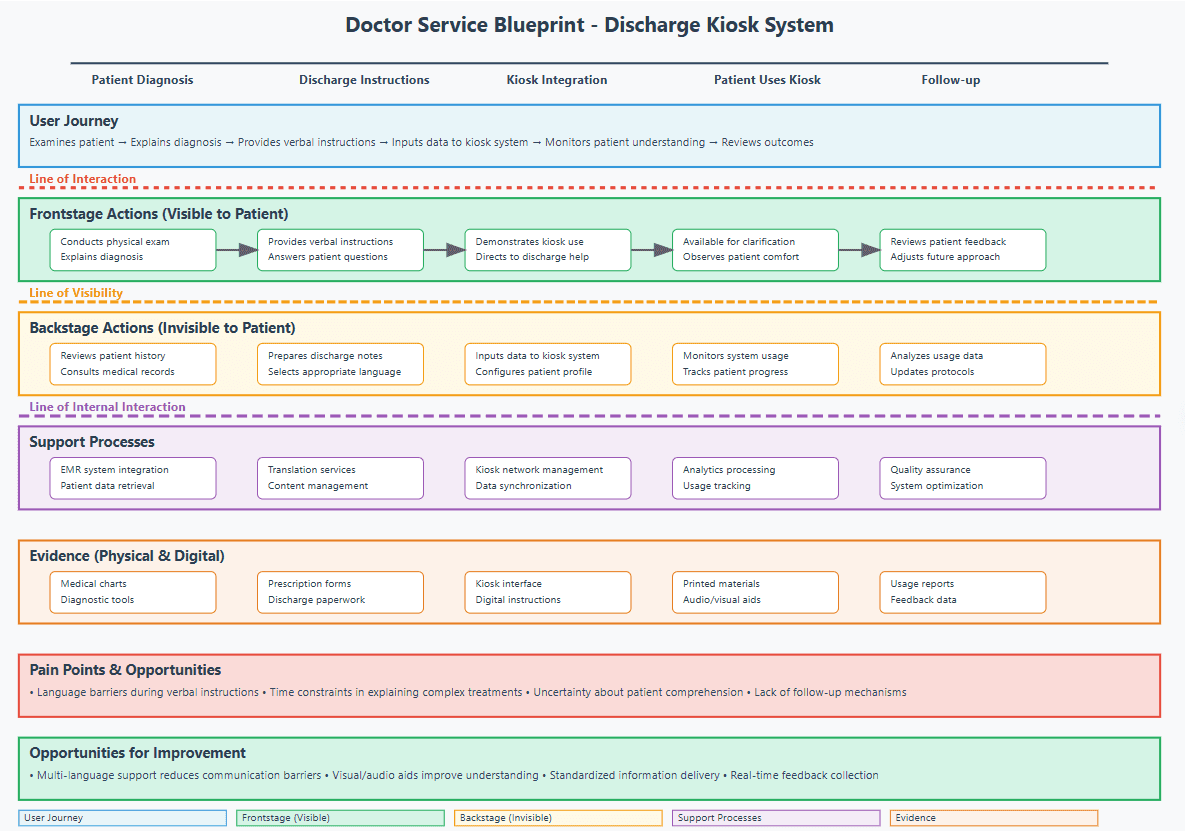
Many patients leave the ER rooms with confusion or a limited understanding of their discharge plan instructions. This uncertainty comes from rushed verbal explanations, language barriers, and a lack of accessible, easy-to-follow formats.
Gaps in communications can lead to medical errors, missed follow-ups or increase risk in death depending on emergency levels!!
Our goal is to improve patients' comprehension of post-discharge plans by designing a kiosk that presents information in a clear, accessible, and user-friendly format. By redesigning how discharge instructions are presented and communicated, we aim to reduce any confusion.
Conclusion
The discharge kiosk reimagines how patients leave the emergency room clear, informed, and confident. Designed to reduce confusion and time pressure, it translates complex medical instructions into accessible, multilingual, and patient-controlled formats.
By shifting discharge from a rushed conversation to a supportive experience, the kiosk eases cognitive load for both patients and clinicians.
Small design choices like adjustable text and audio guidance create meaningful impact in high-stress moments.
Medical Kiosk System
Lead Web Designer User Research 3D and Motion Animation Product Designer
Our product aimed to improve discharge process through a patient-centred design approach. My group and I developed and tested a low-fidelity prototype of a self-service discharge kiosk designed to streamline information delivery. The final design offers reiterative instructions, treatment plan, language support, audio and more, aiming to reduce staff workload and enhance patient outcomes.
Many patients leave the ER rooms with confusion or a limited understanding of their discharge plan instructions. This uncertainty comes from rushed verbal explanations, language barriers, and a lack of accessible, easy-to-follow formats.
Gaps in communications can lead to medical errors, missed follow-ups or increase risk in death depending on emergency levels!!
Our goal is to improve patients' comprehension of post-discharge plans by designing a kiosk that presents information in a clear, accessible, and user-friendly format. By redesigning how discharge instructions are presented and communicated, we aim to reduce any confusion.
Conclusion
The discharge kiosk reimagines how patients leave the emergency room clear, informed, and confident. Designed to reduce confusion and time pressure, it translates complex medical instructions into accessible, multilingual, and patient-controlled formats.
By shifting discharge from a rushed conversation to a supportive experience, the kiosk eases cognitive load for both patients and clinicians.
Small design choices like adjustable text and audio guidance create meaningful impact in high-stress moments.
Medical Kiosk System
Lead Web Designer User Research 3D and Motion Animation Product Designer
Our product aimed to improve discharge process through a patient-centred design approach. My group and I developed and tested a low-fidelity prototype of a self-service discharge kiosk designed to streamline information delivery. The final design offers reiterative instructions, treatment plan, language support, audio and more, aiming to reduce staff workload and enhance patient outcomes.
Many patients leave the ER rooms with confusion or a limited understanding of their discharge plan instructions. This uncertainty comes from rushed verbal explanations, language barriers, and a lack of accessible, easy-to-follow formats.
Gaps in communications can lead to medical errors, missed follow-ups or increase risk in death depending on emergency levels!!
Our goal is to improve patients' comprehension of post-discharge plans by designing a kiosk that presents information in a clear, accessible, and user-friendly format. By redesigning how discharge instructions are presented and communicated, we aim to reduce any confusion.
Conclusion
The discharge kiosk reimagines how patients leave the emergency room clear, informed, and confident. Designed to reduce confusion and time pressure, it translates complex medical instructions into accessible, multilingual, and patient-controlled formats.
By shifting discharge from a rushed conversation to a supportive experience, the kiosk eases cognitive load for both patients and clinicians.
Small design choices like adjustable text and audio guidance create meaningful impact in high-stress moments.